
This website uses cookies to improve your experience. We'll assume you're ok with this, but you can opt-out if you wish. Read More

Architects Landscape designers: your world is alive. Your website should be too
Architects
Table of contents
Discover our templates designed for landscape designers
Bring my project to lifeYou may not be a DPLG architect, but your work shapes living spaces. Your website can (and should) express that sensitivity — simple, organic, elegant.
The problem? Most solutions are too rigid, too cold, too “concrete.” Here’s a clear comparison to help you choose the right approach without compromising your style.
Do you really need a website if you’re already recommended?
For landscape architects, word-of-mouth is invaluable — but it has limits.
To reach new clients, reassure them before the first call, or respond to tenders, your online presence must match the quality of your work.
Just for “paysagiste Paris,” there are over 1,600 searches per month.
What makes an effective landscape designer website
01
An inspiring visual universe
Your website should evoke a natural atmosphere from the first second.
Immersive visuals: completed gardens, before/after views, plant palettes
A natural, airy, calming design (not overloaded)
Visual harmony aligned with your projects — mineral, lush, Mediterranean, etc.
Goal: the visitor should already imagine walking through one of your spaces.
02
Clear, human, and structured content
No need for botanical jargon. Visitors want to know what you do, how you work, and whether you’re the right fit.
Texts that tell the story of your projects: context, challenges, creative choices
A tone that fits you: warm, accessible, professional
References to living elements: play of light, seasons, biodiversity, etc.
Key sections for a landscape designer website
01
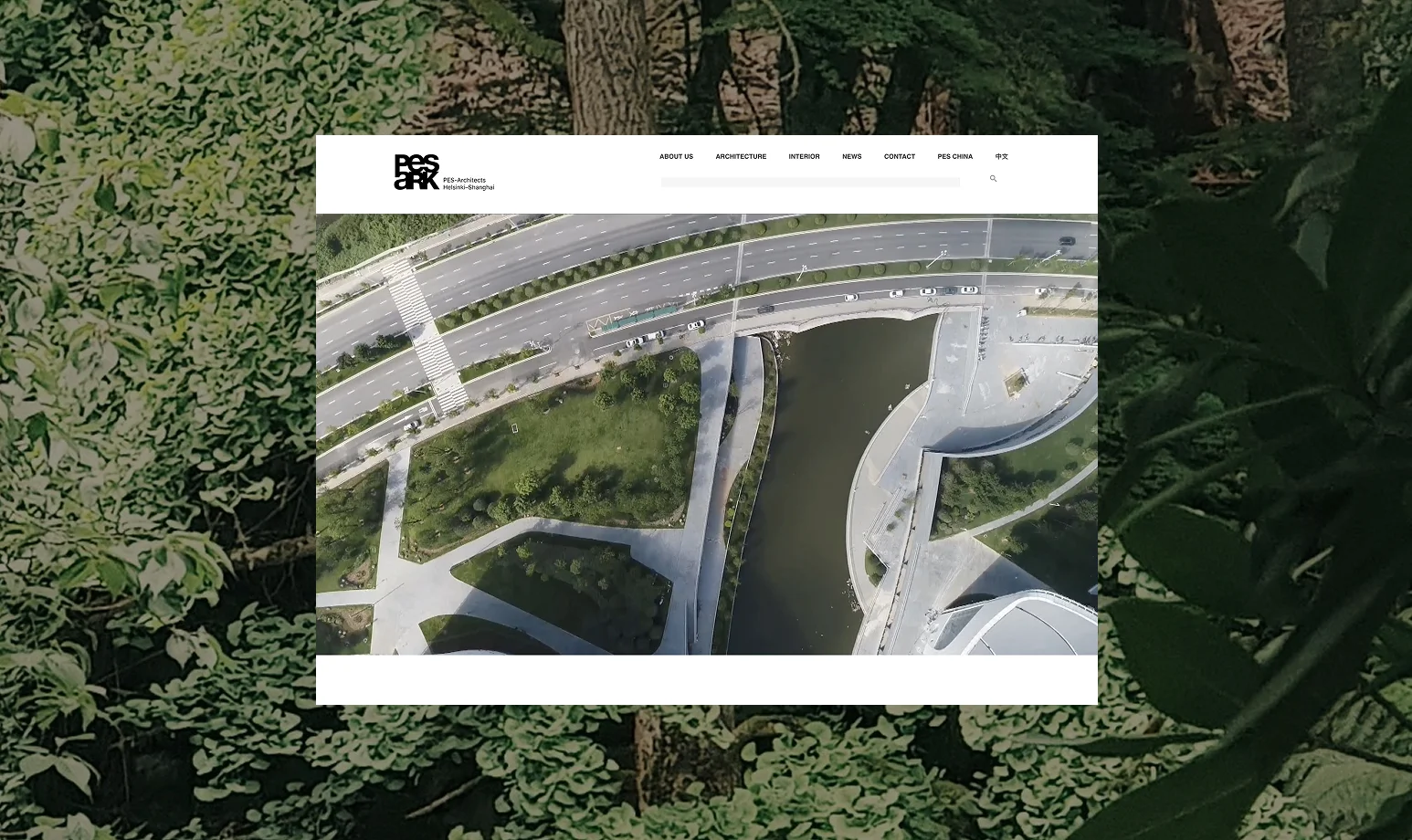
Your landscape projects
Highlight your best work:
Before/after photos
Hand-drawn sketches or plans
Material choices: natural stone, grasses, wooden screens…
Start with three strong, well-presented projects.
02
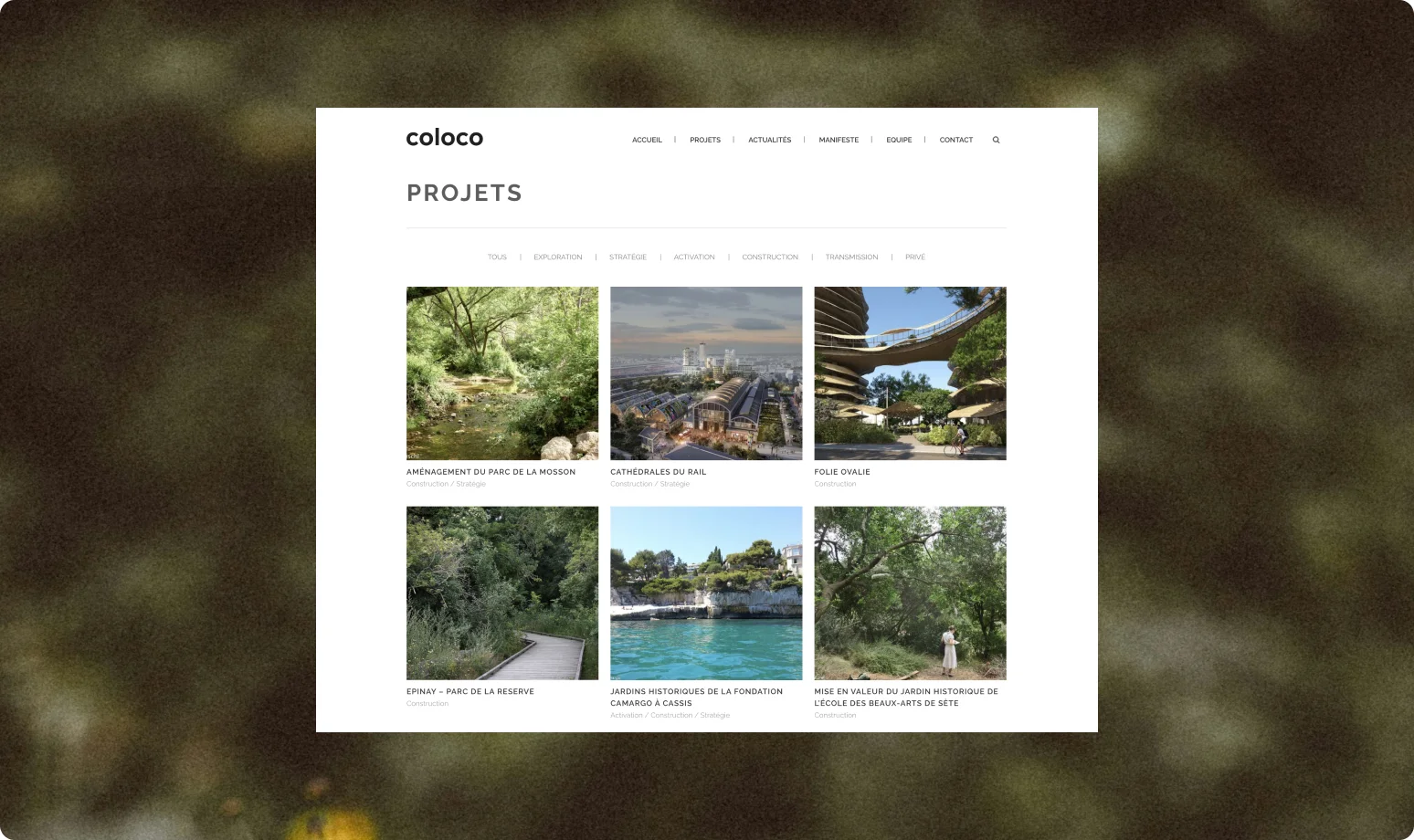
Your services
Describe your offerings clearly:
Private garden design
Public space landscaping
Regular maintenance
Creation of vegetable gardens, green roofs, etc.
Installation of fences, terraces, shade sails…
Specify your target audience: public authorities, homeowners, housing associations, businesses.
03
Your approach
Share your inspirations, ecological values, and ways of collaborating with clients or other professionals (nurseries, urban planners…).
Explain what makes your approach unique.
04
Client testimonials
A short review can be more powerful than a long pitch.
Show what clients appreciate: results, communication, respect for deadlines, transformation of their space.
05
Fast, reassuring contact
Include a simple form, professional email, visible phone number, and a direct scheduling link (like Calendly).
06
Press and distinctions
If you’ve been featured in magazines like L’Art des Jardins or Eden Magazine, mention it.
Same for awards or labels such as the Victoires du Paysage competition.
07
Inspiration notebook
Share seasonal plant trends, color palettes, or highlights on specific species.
It builds connection, positions you as an expert, and improves SEO.
Solutions for creating your landscape designer website
01
Option 1: Hire a freelancer or agency
Budget: €2,000–€5,000 minimum
Pros: fully custom design
Cons: high cost, dependency on one provider, variable results
02
Option 2: Do it yourself (CMS or no-code)
Budget: €0–€1,000/year
Time: about 30–50 hours if you’re a beginner
Risks: rigid design, poor Google visibility, slow or broken layouts
Example: Squarespace or Wix may look easy but become frustrating once you try to customize or optimize.


03
Option 3: Eazyclick — the turnkey solution
From €399, you get:
A custom design based on templates redesigned for landscape professionals
Your colors, fonts, and logo integrated
A flexible layout to showcase your projects
A project manager assisting at every step
A fast, responsive, secure website that attracts clicks
Aspects not to overlook
01
The invisible foundation: security, performance, responsiveness
Your website must:
Load fast (under 2 seconds)
Stay secure (SSL certificate, updates, backups)
Adapt to every device — smartphone, tablet, desktop
Aim for a PageSpeed score of 80/100 or higher to avoid losing visitors or ranking.
02
A strategy to grow your visibility
Your website can and should do more than just “look nice”:
Rank on Google and ChatGPT for local searches (e.g. “garden design Brussels”)
Turn Instagram or Pinterest followers into leads
Strengthen your Houzz profile or tender submissions
Convince referrals with a strong online presence
Your project starts here, don’t hesitate to reach out.
Bring my project to life